
Documenting ecological change across Nigeria with a careful, evidence-led lens.
Ecosafrica presents a structured record of ecological stressors, intervention priorities and evidence needs, helping communities, partners and researchers advocate for healthier landscapes, accountable decisions and practical environmental recovery across the region.

Current focus
Plateau State, Yobe State, Borno State, Katsina State, Sokoto State, Kebbi State are currently documented on the platform; others in progress.
3.2M+
Hectares under pressure
180+
Communities observed
Featured situations
Selected ecological issues under documentation
Plateau State
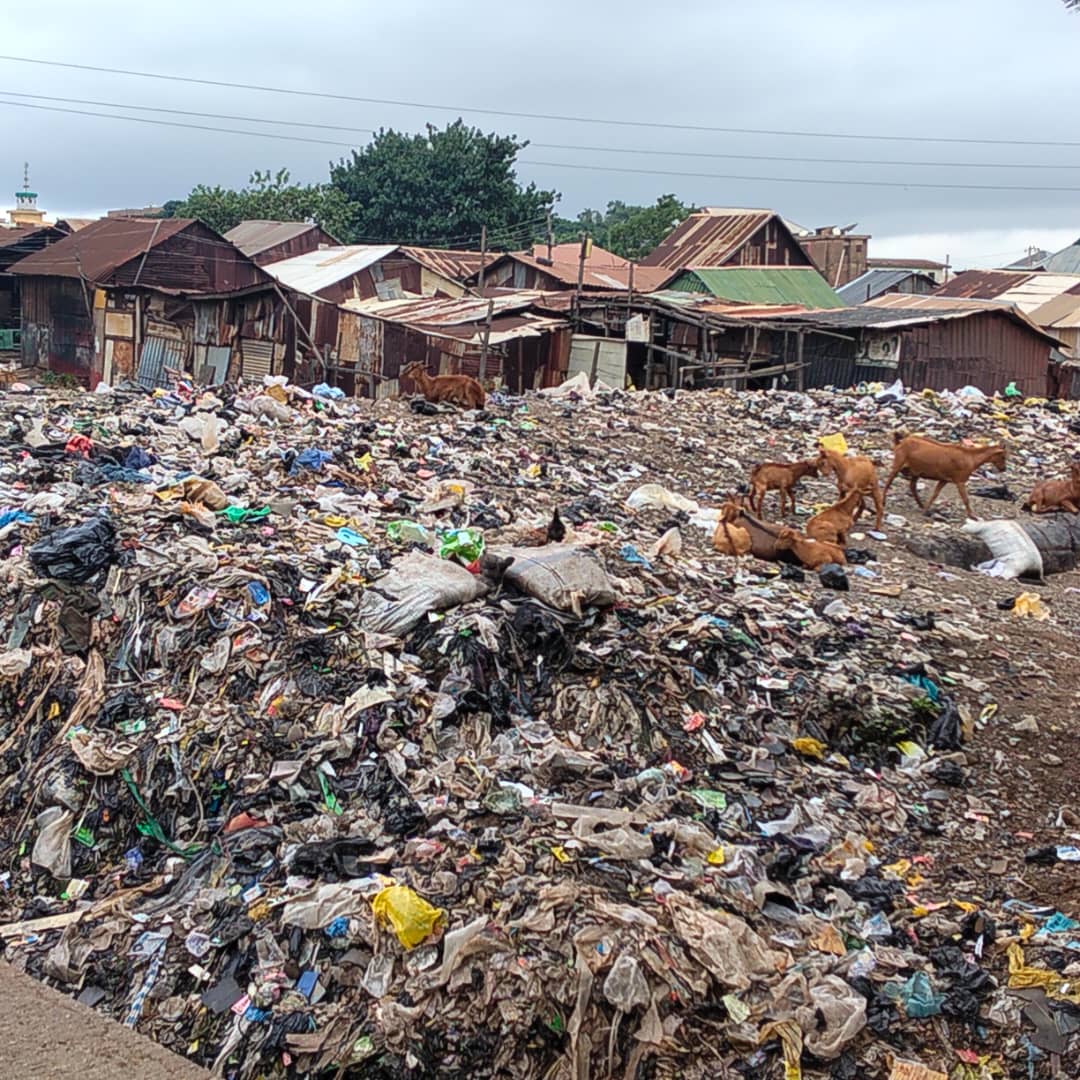
CriticalJos North environmental sanitation crisis
Open dumping, blocked drainages and poor sanitation compliance continue to raise public-health risks in Jos North communities including Congo-Russia, Filin Ball and Gwafan Estate. More than 83 open dumpsites have been identified in Gwafan Estate alone, while illegal kiosks and shops built over drainage channels leave stagnant water and trigger seasonal flooding. Open burning of refuse remains common, and weak participation in the monthly sanitation exercise means streets and drains stay dirty even where compounds are cleaned. These conditions helped make Jos North the worst-hit area during the 2026 cholera outbreak in Plateau State.
Read detailed profile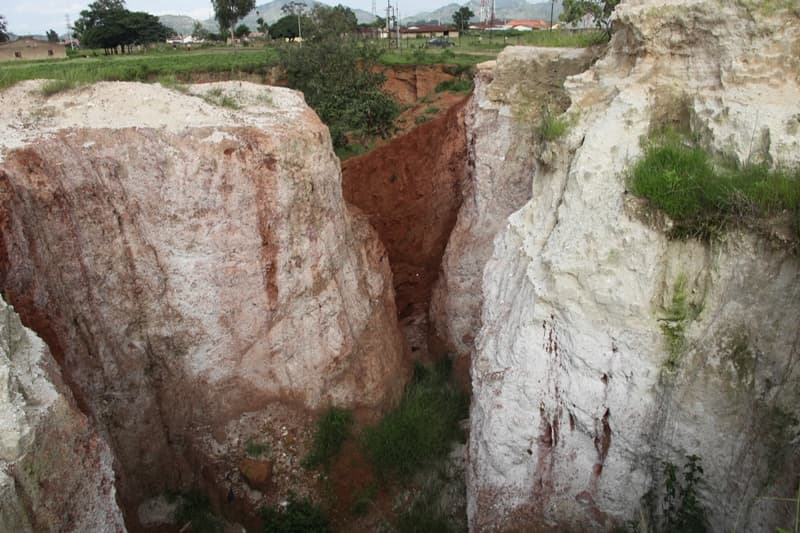
Plateau State
CriticalTin mining legacy pollution, abandoned pits and heavy metal contamination
Decades of open-cast and artisanal tin mining on the Jos Plateau have left abandoned pits, contaminated soils and water bodies that continue to threaten farms, homes and children across Jos South and surrounding communities. Hundreds of abandoned pits and more than 1,000 water-filled ponds now cover roughly 17 km², creating drowning, collapse and contamination hazards. Soil studies report cadmium, lead, arsenic and selenium at levels above WHO guidelines, with the metals spreading into community soils and vegetables and raising the risk of child exposure. Ongoing artisanal mining keeps converting farmland into spoil heaps and open pits, deepening the region's long-term ecological and public-health burden.
Read detailed profile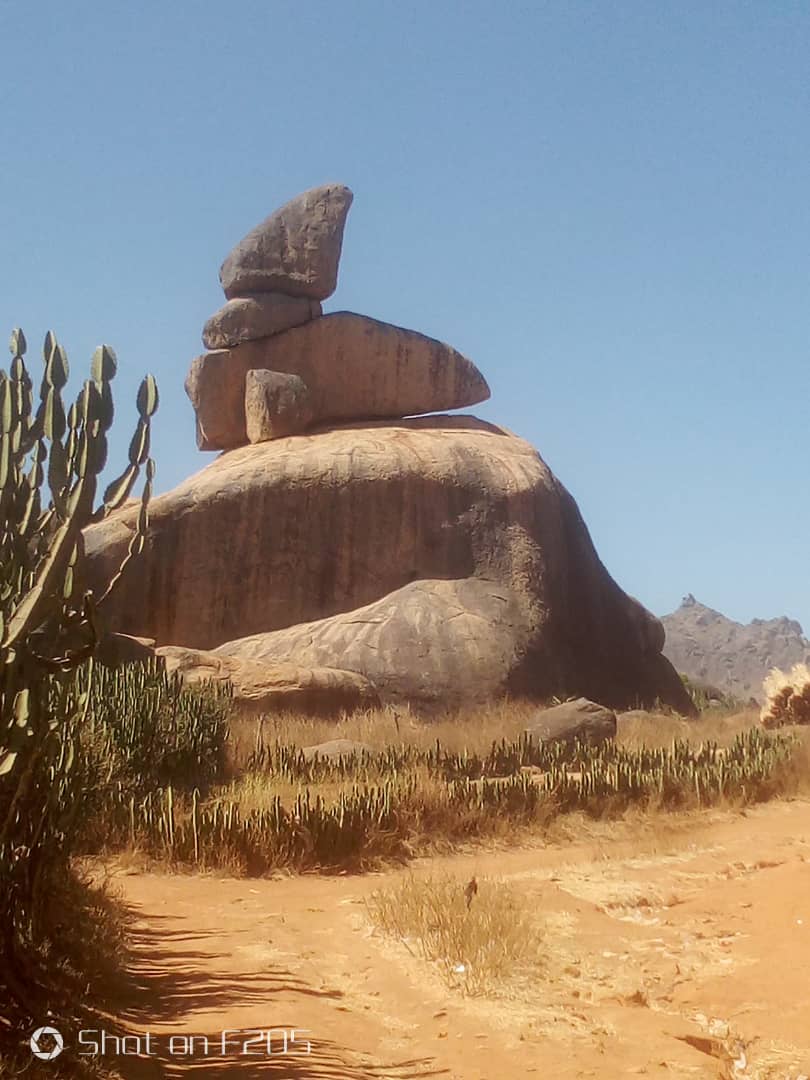
Plateau State
HighMining and quarrying encroachment on Shere Hills and tourist heritage sites
Quarrying and mining are cutting into the Shere Hills on the eastern edge of the Jos metropolis, scarring the highest landscape on the Jos Plateau and eroding a tourist and cultural heritage the state hopes to build its economy on. Rising to about 1,829 m, the range is the third highest point in Nigeria and a prime destination for hikers and climbers, yet excavators are now cutting directly into its rock faces and heavy blasting has replaced the birdsong residents once knew. The damage extends to other heritage formations, including the Gog and Magog 'sacred rocks' and Riyom Rock, where granite quarrying leaves permanent dust and eroded paths. Weekend tourism has collapsed alongside the damaged access roads, and the state tourism commissioner concluded on inspection that the operator could not have been fully approved for devastation on this scale.
Read detailed profile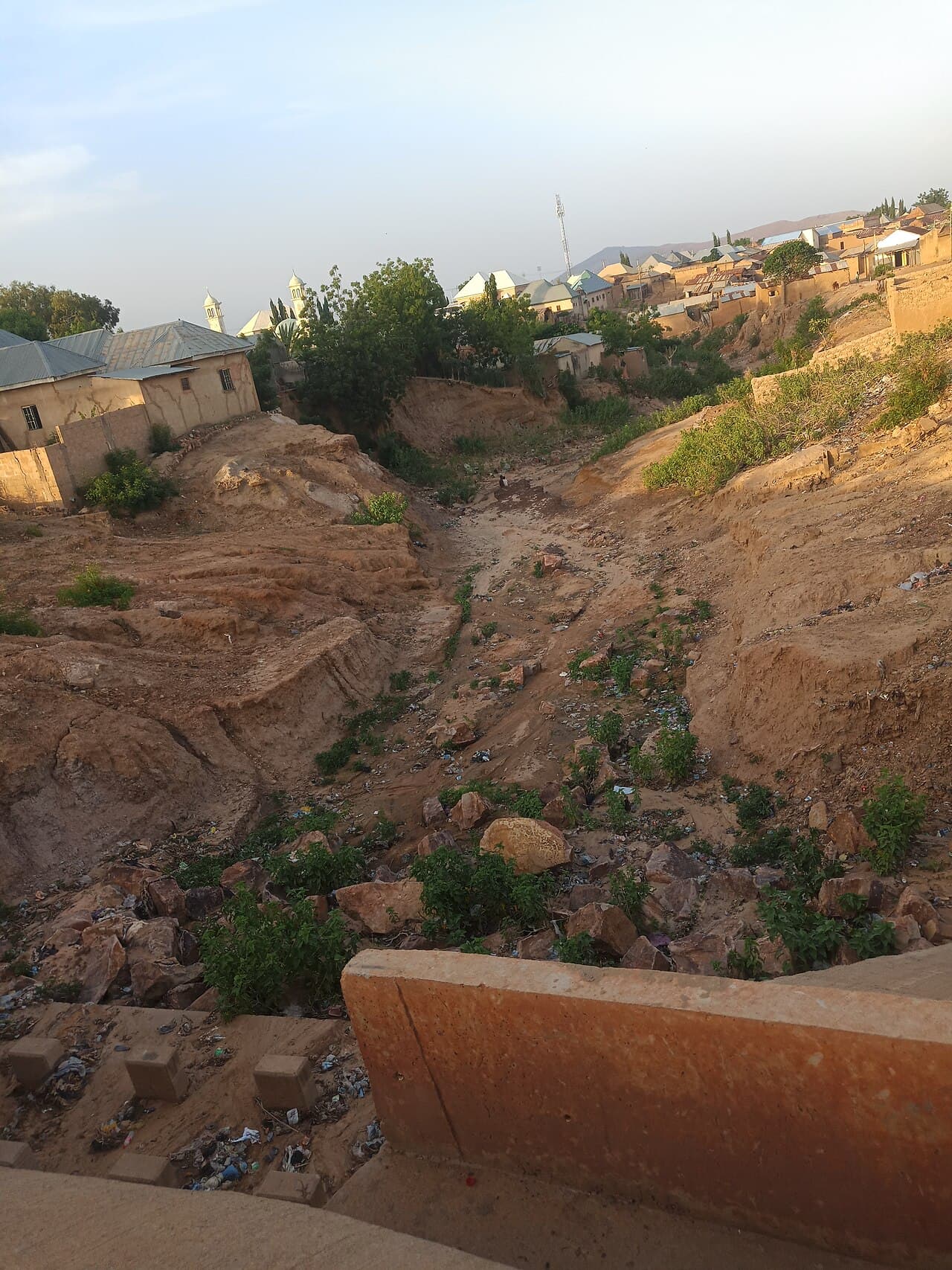
Plateau State
CriticalUrban flooding and gully erosion across Jos North, Jos South and adjoining LGAs
Heavier climate-driven rains, blocked drainage and rapid urban expansion are combining to produce flash floods, submerged farmland, displacement and active gully erosion across Jos North, Jos South and surrounding local government areas. Major flood events in 2022 and 2024 damaged homes and displaced households in areas such as Angwan Rogo, Bauchi Road and Naraguta. PEPSA attributes much of the recurring flooding to drainage channels choked by indiscriminate waste disposal, while active gully erosion continues to eat into land around the metropolis. Inadequate urban drainage remains the central gap, and civil-society groups have questioned whether flood early-warning and preparedness are strong enough.
Read detailed profileWho this platform serves
Ecosafrica is designed for researchers, funders, policy observers and civil society groups who need concise, transparent documentation of place-based ecological pressures, so evidence can inform public dialogue, strengthen community advocacy and accelerate meaningful environmental action.
Researchers
Reference structured profiles and evidence summaries for comparative study, public-interest research and stronger environmental accountability.
Partners and practitioners
Review interventions, evidence gaps and implementation priorities in a transparent format that supports collaboration and community-led environmental advocacy.